

Filtered Shower Head for Hair products are making waves for people frustrated by hard water’s effects on hair health. If you’re noticing dry strands, scalp irritation, or breakage, it might be your shower—not your shampoo. This guide gives you only the facts, realistic expectations, and the precise actions to protect your hair in hard water regions.
Key Takeaways
- Filtered shower heads can help reduce hair dryness, shedding, and frizz for most users, but do not completely soften hard water.
- Main benefits come from removing chlorine and heavy metals; filter cartridges require regular replacement to maintain results.
- Installation is generally tool-free, but filters vary in their ability to remove calcium and magnesium—the main hard water minerals.
- What Is a Filtered Shower Head for Hair and Why It Matters
- How to Use a Filtered Shower Head for Hair: Step-by-Step
- Advanced Analysis and Common Pitfalls
- Conclusion
- Frequently Asked Questions
What Is a Filtered Shower Head for Hair and Why It Matters
A filtered shower head for hair is a special fixture designed to remove chemicals and minerals from your shower water—especially those found in hard water. Hard water contains high levels of calcium, magnesium, chlorine, and trace heavy metals that can damage your scalp and hair over time. These minerals deposit onto hair shafts, causing buildup, dullness, rough texture, and even increased breakage.
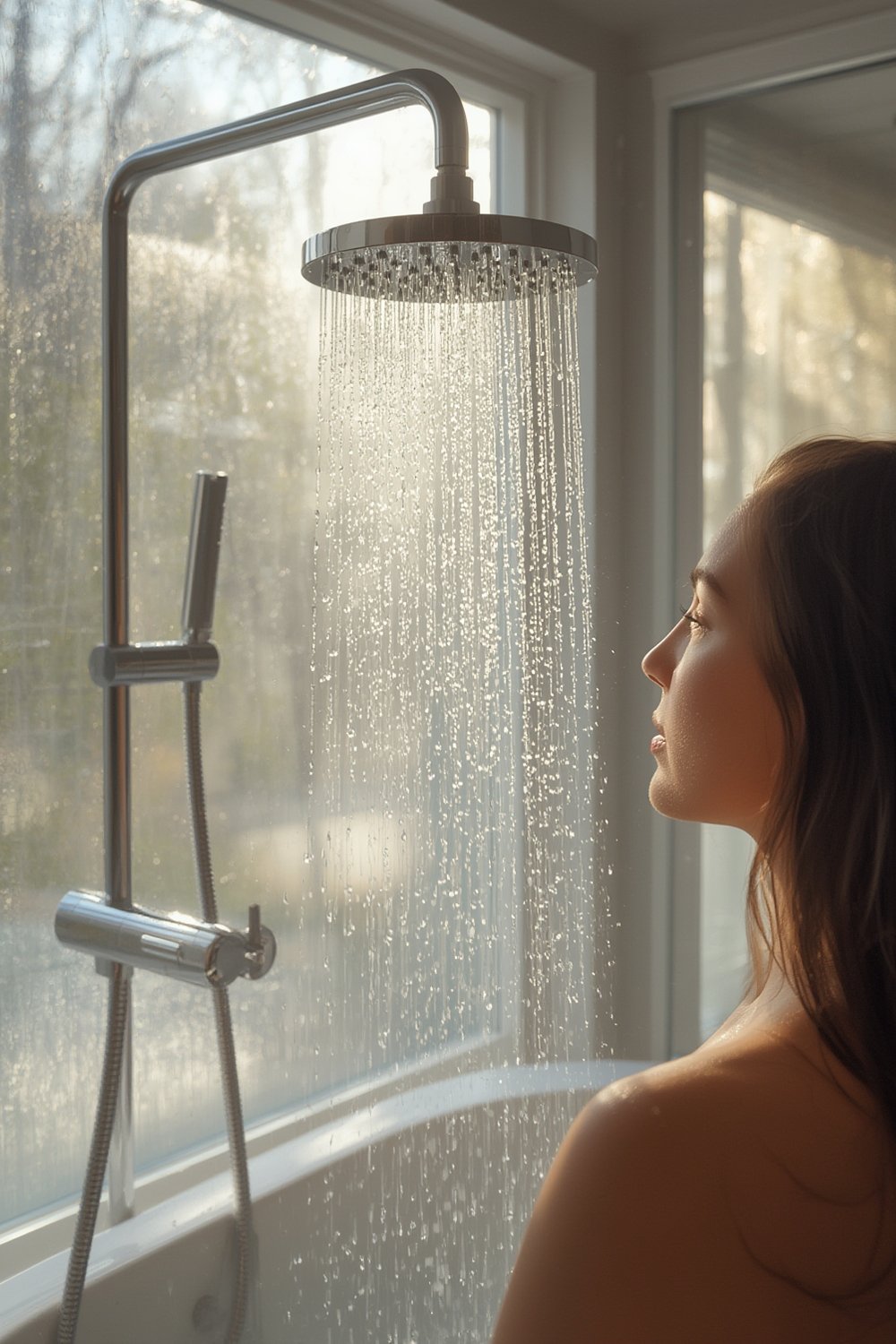
Leading shower filters like Cobbe DS and Hello Klean use media such as KDF-55, calcium sulfite, and activated carbon to filter out up to 99% of chlorine and many heavy metals that contribute to scalp dryness and shedding. However, most do not fully soften hard water—the calcium and magnesium causing the worst buildup are only partially filtered. That’s why understanding what your filter removes is critical for real results.
Filtered shower heads emerged as a DIY solution for people in hard water regions who want a simple, tool-free fix without expensive plumbing or whole-home systems. They offer better skin and hair scenarios (including up to 81% reporting less hair shedding after four weeks of use, per Cobbe’s 2025 user data), but also come with their own set of limitations and maintenance needs.
If you want a truly customized approach, a hair consultation online may help you tailor your routine beyond basic filtering.
How to Use a Filtered Shower Head for Hair: Step-by-Step
-
Choose a Quality Filtered Shower Head. Research product reviews, looking for verified claims regarding chlorine and heavy metal removal. Check if the filter lists what it reduces—many top options mention chlorine, copper, iron, and heavy metals, but only limited mineral (calcium, magnesium) removal.
Jolie and Cobbe are both recognized for realistic claims. - Check Plumbing Compatibility. Most filtered shower heads fit standard 1/2-inch connections. Confirm if you have unique fixtures or need adapters, especially for handheld or rain shower types.
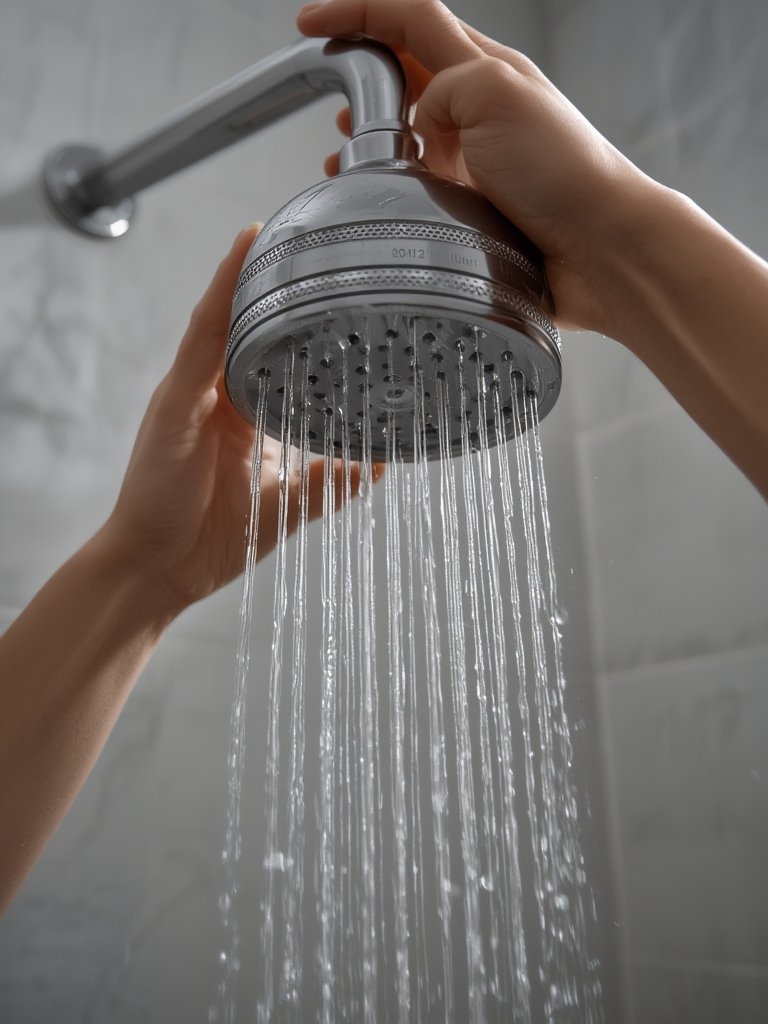
- Install Without Tools. Unscrew your old shower head and attach the new filtered model by hand. Tighten as needed, run water for a minute to clear initial debris, and check for leaks. Brands like Hello Klean and Act+Acre are designed for simple, no-tool fitting.
- Track Your Filter’s Lifespan. Mark your calendar based on your household’s shower frequency. Most filters last 3-5 months; heavy usage shortens this. Losing water pressure? Time to swap.
- Observe Changes and Adjust Your Routine. Note signs of reduced frizz, less shedding, and softer hair. Combine filter use with a clarifying or chelating shampoo once a week for best results, especially if you notice mineral buildup persists.
Unsure if your hair symptoms are caused by water or something else? Reach out to TressWhisper support for direct hair care advice. Dedicated help is available whether you struggle with hair loss, scalp problems, or need product recommendations.
Advanced Analysis and Common Pitfalls
While the promise of a filtered shower head for hair is compelling, real-life outcomes depend on specific factors:
Common Pitfalls
- Incomplete Hard Water Softening: Filters target chlorine and some heavy metals but often leave a significant portion of hardness minerals (calcium, magnesium), so users in extreme hard water regions might still see dryness or buildup.
- Misleading Removal Claims: Marketing may imply “soft water” after filtration, but no leading model published verified rates for calcium or magnesium removal. Be wary if the product does not specify what it reduces.
- Filter Lifespan and Replacement Hassles: Forgetting to replace filters leads to reduced effectiveness—and sometimes even lower water pressure. Plan on spending extra for cartridges every few months.
- Ongoing Maintenance: Hard water scale still forms, albeit more slowly. Regular cleaning of nozzles, plus occasional use of clarifying shampoos or hair masks, is necessary.
- Cost vs. Professional Treatments: Investment in a filtered shower head is often less than professional salon treatments, but results for severe damage might fall short of salon-level services.
Comparison: Filtered Shower Heads vs. Professional Treatments
| Option | Initial Cost | Ongoing Cost | Removes Chlorine | Removes Hard Minerals (Ca/Mg) | Suitable for Home Use |
|---|---|---|---|---|---|
| Filtered Shower Head (Cobbe/Hello Klean) | $40-$150 | $20-$60 (3-5 months) | Yes (99%+) | Partially | Yes |
| Salon Treatment (Clarifying/Chelating) | $50-$200 per session | $0 (not ongoing unless repeated) | Temporarily (from hair, not water) | Removes buildup only from hair | Requires booking |
| whole-house softener | $800-$3,000 (installed) | $100-$400/year | Yes | Yes | Plumbing required |
Still not sure what will work best for you? Start with online hair care advice to weigh DIY options against professional solutions.
What Most Brands Don’t Tell You
- User experience rates fluctuate based on local water quality. Areas with exceptionally hard water may see limited improvement in dryness and breakage.
- Verified data for hair health improvement is mostly self-reported and rare for 2024-2026, though Cobbe’s 2025 data gives the most up-to-date stats: 81% saw reduced hair shedding, 60% less frizz.
- No filtered shower head on the consumer market is certified to fully soften water by removing all hardness minerals.

Conclusion
A filtered shower head for hair is a practical upgrade for many people in hard water regions who want a noticeable reduction in dryness, shedding, and frizz. While these filters excel at removing chlorine and heavy metals, they do not create truly soft water or eliminate all issues caused by hard minerals. Maintenance, honest expectations, and supporting hair routines remain key for best results.
Curious if a Filtered Shower Head for Hair is right for your unique hair type? Contact a hair expert or get personalized guidance for next steps!
Frequently Asked Questions
Do filtered shower heads remove all hard water minerals?
No. While top models remove over 99% of chlorine and many heavy metals, most filters only partially reduce hard minerals like calcium and magnesium. Complete water softening requires a whole-house softener.
How often do I need to replace the shower filter?
Replacement is typically needed every 3-5 months, depending on usage. If you notice reduced water pressure or hair benefits fading, it’s time for a new cartridge.
Will a filtered shower head cure my hair loss?
While some users report less shedding and scalp irritation, filtered shower heads are not a cure for hair loss. If you have ongoing concerns, consult with a hair care advisor.
Can I install a filtered shower head myself?
Yes. Most models install without tools and screw on to standard residential fittings. Always refer to included instructions for specific details.
How does filtered water compare to using clarifying shampoo or masks?
Filtered water prevents future buildup but does not remove existing minerals from your hair. Occasional use of clarifying shampoos or masks can boost results. For advice, reach out to the TressWhisper team.